Enhance Reach: Extensive SEO Services for Every Sector
In today's online environment, boosting online presence through extensive SEO services is essential for businesses across all niches. This strategy not only enhances online presence but also draws in a targeted audience. By focusing on tailored strategies such as keyword analysis and regional enhancement, companies can generate organic traffic and enhance their search rankings. However, the process doesn't end there. Comprehending the vital elements of SEO can uncover deeper insights into sustainable growth and authority in the industry.
Why Search Engine Optimization Matters for Your Market Segment
Within the competitive landscape of digital marketing, the significance of SEO for any market segment cannot be understated. SEO acts as an essential tool that enhances digital presence, making it indispensable for organizations working to engage targeted audiences. By enhancing information and design, businesses can improve their search engine rankings, delivering organic traffic to their websites. This becomes notably significant in specialized areas where contention may be intense but specific.
Effective SEO strategies empower firms to identify matching keywords, understand audience intent, and tailor content accordingly. As niche markets often have unique demands, utilizing SEO not only contributes to attracting potential customers but also in establishing authority within that specific field. Consequently, the embedding of SEO into a company's digital strategy is not just worthwhile; it is crucial for long-term success, ensuring that the brand remains robust and relevant in its niche.
Essential Elements of SEO for Company Achievement
While many factors contribute to effective SEO, several important elements emerge as essential for company expansion. First, researching keywords serves as the cornerstone for effective optimization, enabling businesses to identify relevant keywords that prospective buyers are searching for. Second, on-page search engine optimization, such as meta tags, headers, and content quality, guarantees that webpages are structured to be easily understood by search engines.
Third, technical SEO serves as an crucial part in improving site efficiency, concentrating on elements like loading time, mobile optimization, and secure connections. Additionally, high-quality links from authoritative websites boost domain authority, signaling trustworthiness to search engines. Finally, local search optimization tactics are vital for companies aiming to attract nearby customers, refining listings on platforms like Google My Business. Together, these components build a robust framework that increases visibility, drives traffic, and ultimately contributes to business growth in challenging online landscapes.
Aligning Your SEO Strategy With Your intended customers
Comprehending the customer base is vital for developing an effective SEO strategy. Adjusting information to address the unique requirements and preferences of the primary audience can significantly boost participation and conversion rates. Through conducting in-depth audience assessment, organizations can pinpoint essential characteristics including interests, conduct, and friction points.
This insight allows for the creation of pertinent search terms that connect with prospective users, ensuring that the material is both discoverable and attractive. Additionally, comprehending the audience helps in optimizing site layout, user experience, and social engagement, all of which are critical components of an successful SEO strategy.
Incorporating user feedback and analytics into ongoing SEO efforts enables continuous refinement. By aligning SEO initiatives with the target audience’s expectations, businesses can cultivate stronger connections, raise organic traffic, and ultimately drive growth. In a competitive digital landscape, this alignment is not just valuable; it is imperative for long-term success.
Executing Strong Local SEO Approaches
Effective local SEO strategies are critical for firms seeking to pull in nearby customers. This involves optimizing Google My Business accounts, utilizing local keywords, and building local backlinks to enhance visibility in local organic rankings. By concentrating on these elements, companies can greatly enhance their local digital visibility.
Maximize Google My Business
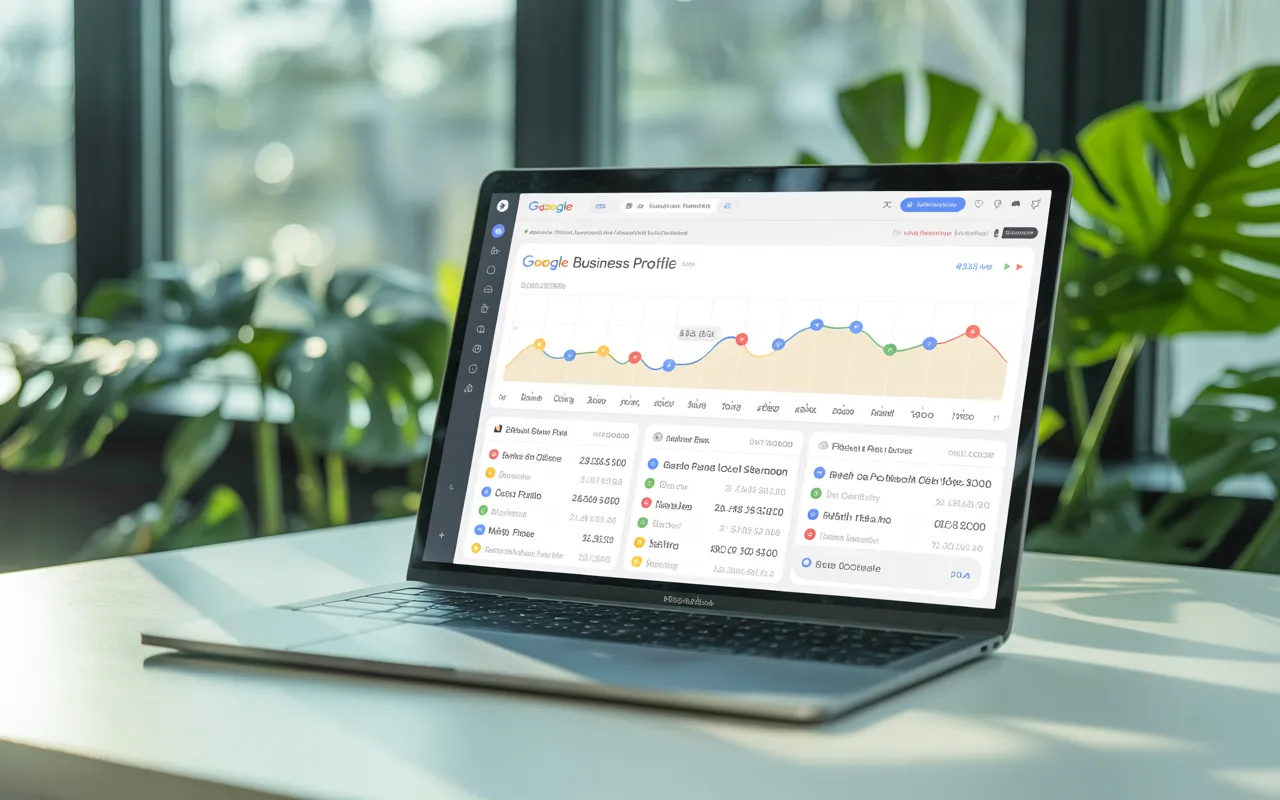
A well-optimized Google My Business (GMB) listing can greatly increase a local business’s online profile in search results. To accomplish this, businesses should verify their details are accurate, including name, address, phone number, and hours of operation. Engaging visuals such as high-quality images of products or services can entice potential customers. Motivating satisfied clients to leave positive reviews adds to credibility and enhances search rankings. Regularly updating the listing with posts about promotions or events keeps the content relevant. Additionally, utilizing GMB features like Q&A and messaging can enhance customer interaction. By applying these methods, businesses can successfully optimize their GMB listings, leading to improved foot traffic and a stronger local presence.
Leverage Local Keywords
While many companies focus on general keywords, leveraging local keywords can greatly enhance visibility in specific markets. Local keywords are essential for targeting audiences in particular geographic areas, allowing firms to attract customers who are searching for services nearby. By incorporating city names, neighborhoods, or regional terms into their SEO strategies, businesses can improve their rankings in local search results. Additionally, using tools like Google Keyword Planner can help identify high-traffic local keywords relevant to a business's niche. It is also advantageous to analyze competitors to understand which local terms are driving their traffic. Ultimately, a focused approach on local keywords not only enhances visibility but also builds stronger connections with the community, resulting in higher conversion rates.
Create Regional Backlinks
Building regional backlinks is an essential part of a strong local SEO strategy. These backlinks, obtained from trusted local websites, boost a business's credibility and influence within its community. Effective methods for building local backlinks include engaging with local organizations, sponsoring community events, and partnering with nearby businesses. Additionally, submitting to local directories and joining local online forums can yield valuable links. Creating top-notch, locally relevant content also attracts backlinks organically, as other sites acknowledge its value. By prioritizing local backlinks, businesses can improve their expert guide search engine rankings and connect more effectively with their target audience. This well-planned approach fosters relationships within the community while enhancing online visibility and bringing local traffic.
Technical SEO: Fundamental Criteria for Thriving
Technical SEO functions as the backbone of an effective online presence, guaranteeing that websites are configured for search engine crawlers. Important elements include website speed, mobile-friendliness, and encrypted protocols. A quick-loading site enhances user experience and reduces bounce rates, essential for ranking on search engines. Mobile optimization is significant, as an growing amount of users access websites via mobile devices. Deploying responsive design guarantees that content displays correctly across devices.
Additionally, proper URL organization and the use of XML sitemaps facilitate easier crawling and indexing. Schema markup enhances the reach of content in search results by providing context to search engines. Continuously monitoring website performance, correcting broken links, and fine-tuning images equally bolster to a site's overall health. By addressing these technical elements, businesses can forge a strong foundation that anchors their broader SEO strategy, ultimately yielding to improved visibility and user engagement.
Tracking SEO Effectiveness: Analytics and Key Performance Indicators
Assessing SEO effectiveness depends on the capacity to examine pertinent data and metrics efficiently. Key performance indicators (KPIs) like organic traffic, search position placements, and transaction completion percentages shed light on a website's results. Evaluating natural visitor flow helps identify how many users engage with the site, while keyword rankings reveal the success of focused approaches.
Utilizing platforms such as Google Analytics enables monitoring user behavior, bounce rates, and session durations, offering a thorough picture of website performance. Additionally, monitoring backlinks and domain authority can indicate the effectiveness of off-page SEO efforts.
In conclusion, gauging SEO outcomes demands a mix of numeric analysis and expert judgment. By periodically examining these data points, businesses can adjust their plans, enhancing visibility and reaching their business targets. Perpetual evaluation confirms that SEO efforts stay consistent with evolving market trends, supporting sustained growth and superior digital standing.
Questions Customers Inquire Frequently
What Timeframe Should You Anticipate for SEO Outcomes?
Generally, it takes three to six months to see noticeable SEO results. Considerations such as competition, initial website health, and implemented methods influence this duration, making particular achievements vary considerably across different enterprises and niches.
What Are Usual SEO Oversights to Keep Away From?
Typical SEO blunders encompass overlooking keyword analysis, failing to prioritize mobile responsiveness, using duplicate content, omitting updates to old information, neglecting to optimize for location-based searches, and disregarding data tracking, which can negatively affect overall website performance and visibility.
Can I execute SEO on My Own?
Yes, individuals can conduct SEO by themselves. However, it demands regular education and adaptation to ever-changing algorithms. Success often relies on commitment, investigation, and comprehension of best practices to achieve effective results.
How Regularly Should I Alter My Search Engine Optimization Method?
Search engine optimization tactics must be updated regularly, preferably every few months. Continuous examination of performance measurements and algorithm changes confirms effectiveness and relevance, allowing businesses to adapt and sustain a market edge in their respective markets.
What are the leading tools for SEO examination?
Popular platforms for SEO analysis feature Google Analytics, SEMrush, Ahrefs, Moz, and Screaming Frog. Each offers distinct capabilities for keyword research, backlink analysis, and website audits, assisting users to efficiently improve their web presence.